
 简体中文
 English
 Русский






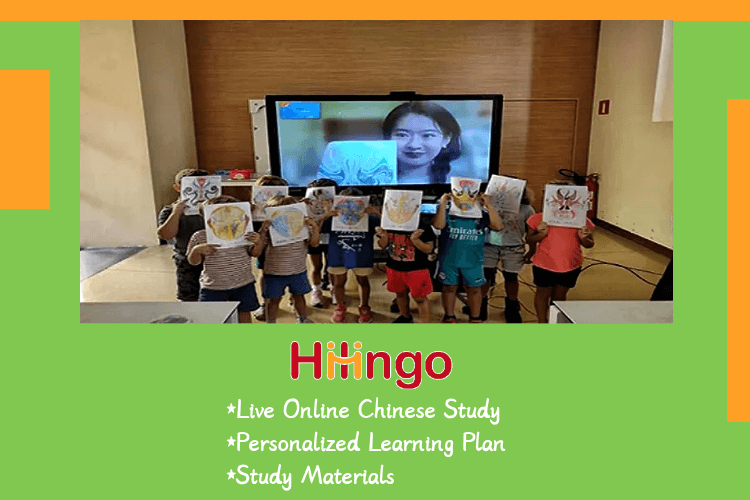

In Hilingo’s Chinese class, HSK1 Lesson 19 “What Are There on the Desk” helps beginners describe objects and locations in Chinese through familiar everyday scenes. The lesson focuses on the existential “有” sentence, locality words “上/里”, the conjunction “和”, and the measure word “本”, guiding learners from vocabulary to natural sentence production.
Lesson Highlights
Scene-based warm-up: desks, computers, books, and cups introduce “What are there on the desk?”
Core grammar: The verb “有” indicates existence, e.g. “桌子上有一个电脑和一本书.” The negative form uses “没有” without a numeral classifier, e.g. “桌子上没有电脑和书.”
Location words: “上、里、前面、后面” practiced with sofa, carpet, park, and shopping mall pictures.
Conjunction “和”: connects parallel elements, e.g. “我有一个中国朋友和一个美国朋友.”
Measure words: “个、口、本、块” practiced through fill-in-the-blank and speaking tasks.
Pronunciation: neutral tone and reduplicated syllables, e.g. “桌子、盘子、椅子、裤子” and “爸爸、妈妈、哥哥、姐姐.”
What You Will Be Able to Do
Describe what is in a place using “Location + 有 + Object”;
Make negative sentences with “没有”;
Answer questions about relative position using “前面/后面”;
Connect two parallel objects with “和”;
Choose suitable measure words for common nouns.
Who It Is For: HSK1 beginners, zero-beginner Chinese learners, and anyone who needs to consolidate “有” sentences and location expressions.
Start learning with Hilingo today and speak Chinese with confidence in real-life situations while progressing steadily through HSK1.